Materials Matter
Old-world knowledge. Modern responsibility.
For centuries, craftsmen have used natural materials like limestone, marble, and mineral pigments to create beautiful, lasting finishes.
Traditional lime-based plasters offer a unique combination of vapor permeability, natural variation, and depth that gives each surface its own character.
By understanding both traditional materials and modern coating technologies, I can select finishes that balance beauty, performance, and environmental responsibility.
What the finishes are made of
A short guide to the materials I work with.
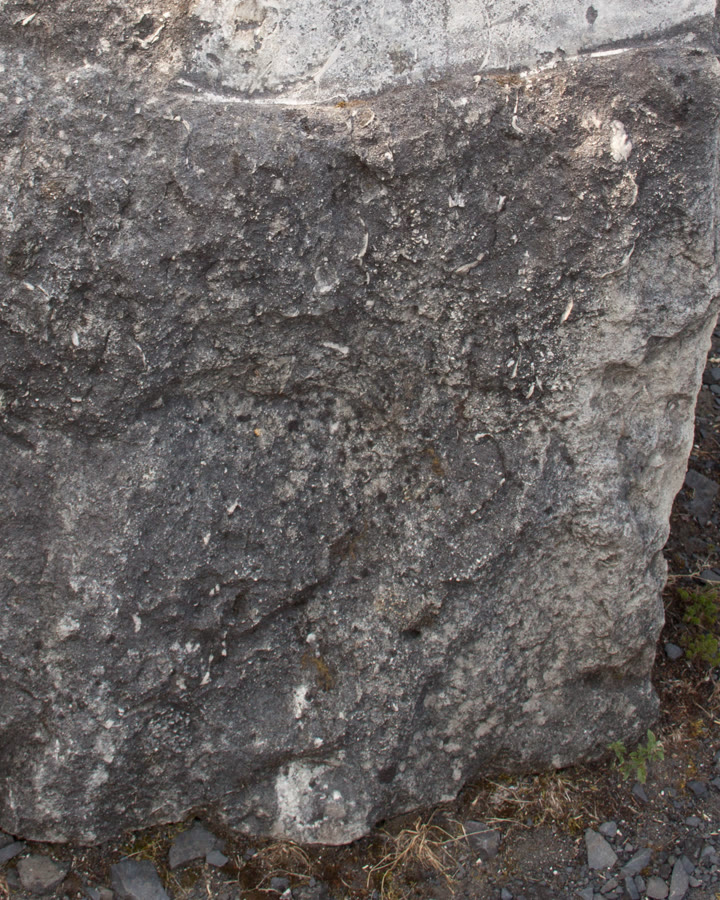
Lime
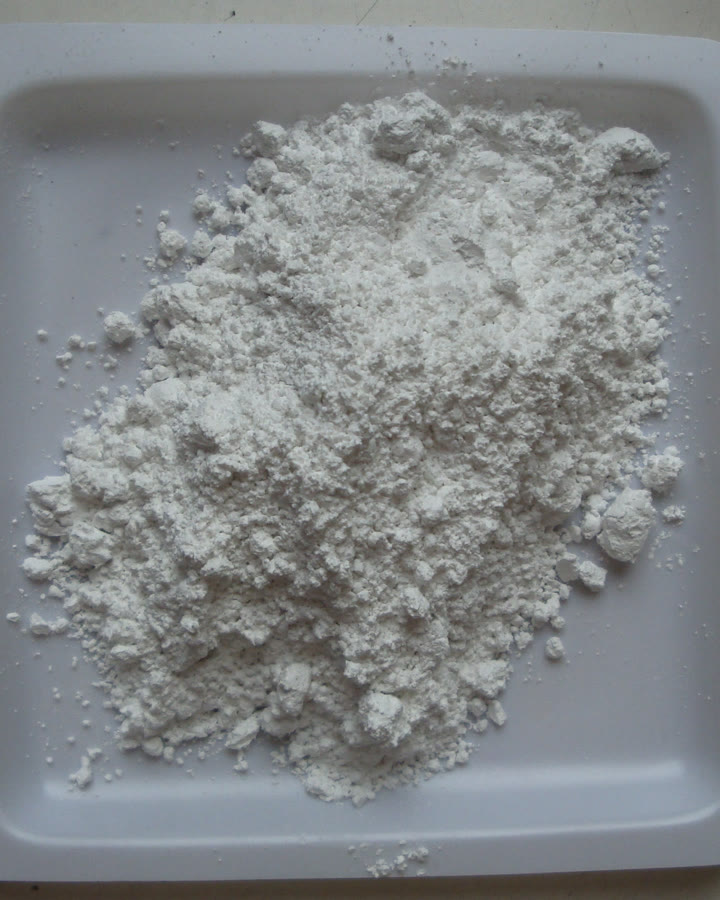
Marble powder
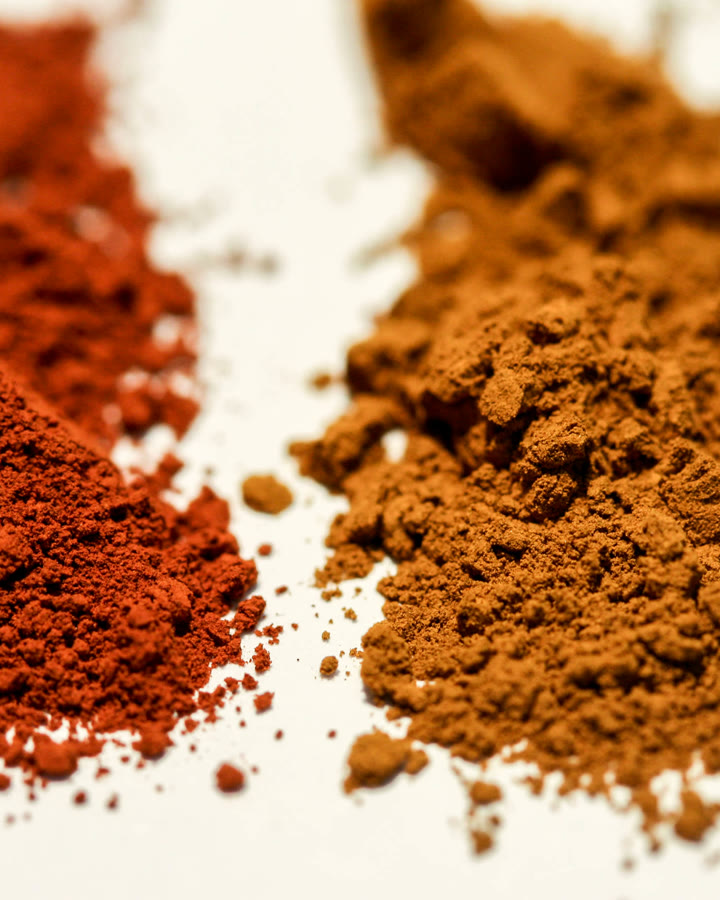
Mineral pigments
- Lime
- Limestone, burned and slaked. It cures by taking carbon dioxide back from the air, slowly turning back toward stone, and it stays vapor permeable, so walls can breathe.
- Marble
- Ground marble gives Venetian plaster its density and lets it take a polish, from a soft sheen to a high one.
- Mineral pigments
- Earth and mineral colors tint plaster and limewash through the material, so the color has the same depth and variation as the surface.
- Modern coatings
- Architectural paints, primers, enamels, stains and clear coats, chosen surface by surface for how they perform and what they are made of.
Have something in mind?
Whether you're restoring a historic home, exploring traditional plaster finishes, or simply looking for a craftsman who takes pride in his work, I'd love to hear about your project.